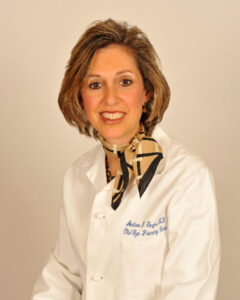
Andrea Singer, MD, FACP, CCD, is chief, Division of Women’s Primary Care and director of bone densitometry in the Department of Obstetrics and Gynecology at MedStar Georgetown University Hospital. She is also clinical director of the National Osteoporosis Foundation.
Why should I be concerned about osteoporosis?
Osteoporosis is a chronic disease of the bones and should be taken very seriously. It is defined by low bone density, leading to weaker bones that are more likely to break. A fractured bone can cause severe pain and prevent you from getting around easily and maintaining your daily lifestyle. Complications from a broken bone or related surgery can even lead to early death or long-term nursing home care. Fortunately, it can be detected and treated, making it important that you play an active role in your bone health.
Who is at risk?
There are a variety of factors that can put you at risk for developing osteoporosis. Here is a list of risk factors about which you should talk to your healthcare provider.
- Age over 50
- Postmenopausal status
- A family history of osteoporosis or fracture
- Low body weight/being small and thin
- Insufficient calcium and vitamin D intake
- Prior fractures
- Consuming too much protein, sodium and caffeine
- Inactive lifestyle
- Smoking and excessive alcohol intake
When should I get screened?
The National Osteoporosis Foundation (NOF) recommends that all women over 65 and postmenopausal women with additional risk factors noted above should be screened with a DXA bone density test. Men over 70 and men under 70 with specific risk factors should also be screened.
Where do I get a DXA bone density exam?
Most people need a prescription or referral from their healthcare provider to have a bone density test. To find out where you can get screened, contact your healthcare provider or your insurance plan.
What does the DXA bone density test entail?
Bone density tests are non-invasive, painless and last about 15 minutes. The patient is asked to lie down and be still while a machine scans different areas of the body. No needles are used and most of the time you do not have to get undressed.
How can I protect myself against osteoporosis?
You can help lower your risk by engaging in the following:
- Get active: Doing regular weight-bearing and muscle strengthening exercise is one of the best ways to protect against osteoporosis and broken bones.
- Get healthy: Calcium, vitamin D, lean protein, fruits, vegetables, and healthy fats are the key to eating for healthy bones.
- Get checked: The painless, 15-minute test–a bone density scan–will help predict your risk of breaking a bone.
- Get clean: To maintain good bone health, don’t smoke or drink excessively.
What questions should I ask my healthcare provider?
Playing an active role in your bone health is important. The next time you visit your health care provider, here are some questions you can ask:
- Am I at risk for osteoporosis?
- Can I make any changes to reduce my risks?
- Do I need a DXA bone density scan?
- Do any of my medications put me at risk?
© 2016 Hologic Inc. All rights reserved. Hologic, The Science of Sure, and associated logos are trademarks and/or registered trademarks of Hologic, Inc., and/or its subsidiaries in the United States and/or other countries. All other trademarks, registered trademarks, and product names are the property of their respective owners. This information is intended for medical professionals in the U.S. and other markets and is not intended as a product solicitation or promotion where such activities are prohibited. Because Hologic materials are distributed through websites, eBroadcasts and tradeshows, it is not always possible to control where such materials appear. For specific information on what products are available for sale in a particular country, please contact your local Hologic representative. Views and opinions expressed herein by third parties are theirs alone and do not necessarily reflect those of Hologic.